Communication Should Include Everyone
23 September | Equal Education Initiative
Every year on 23 September, the International Day of Sign Languages reminds us of something simple but important: everyone deserves to communicate, learn and take part.
For millions of deaf and hard of hearing people, sign languages are a vital part of everyday life.
They support education, independence, relationships and participation in society.
At Equal Education Initiative, we believe inclusion begins when communication is accessible to everyone.
What is the International Day of Sign Languages?
The International Day of Sign Languages is observed every year on 23 September.
The day helps raise awareness about:
– The importance of sign languages
– The rights of deaf people
– Equal access to education and information
– Respect for deaf culture and communities
– The need for more inclusive communication
Sign languages are not simply gestures or shortened versions of spoken languages.
They are complete languages with their own structure, grammar and vocabulary.
Why do sign languages matter?
Communication affects almost every part of life.
A student needs to understand a teacher.
A child needs to communicate with family.
A patient needs to explain how they feel.
A person needs to participate at school, at work and in the community.
When communication is not accessible, people can easily be left out.
Supporting sign languages can help create:
– Equal opportunities in education and employment
– More inclusive classrooms
– Greater confidence and independence
– Stronger relationships between communities
– Better access to information and services
Communication should never become a barrier to opportunity.
Sign language and inclusive education
A truly inclusive classroom is not simply a classroom where everyone is present.
It is a classroom where everyone can understand, participate and contribute.
For deaf students, access to sign language can make a major difference in how they experience education.
It can help students:
– Follow lessons more easily
– Ask questions
– Express their ideas
– Build confidence
– Communicate with classmates and teachers
– Take part in school activities
Schools can also help hearing students understand that people communicate in different ways.
Even learning a few basic signs can be a simple first step towards greater awareness.
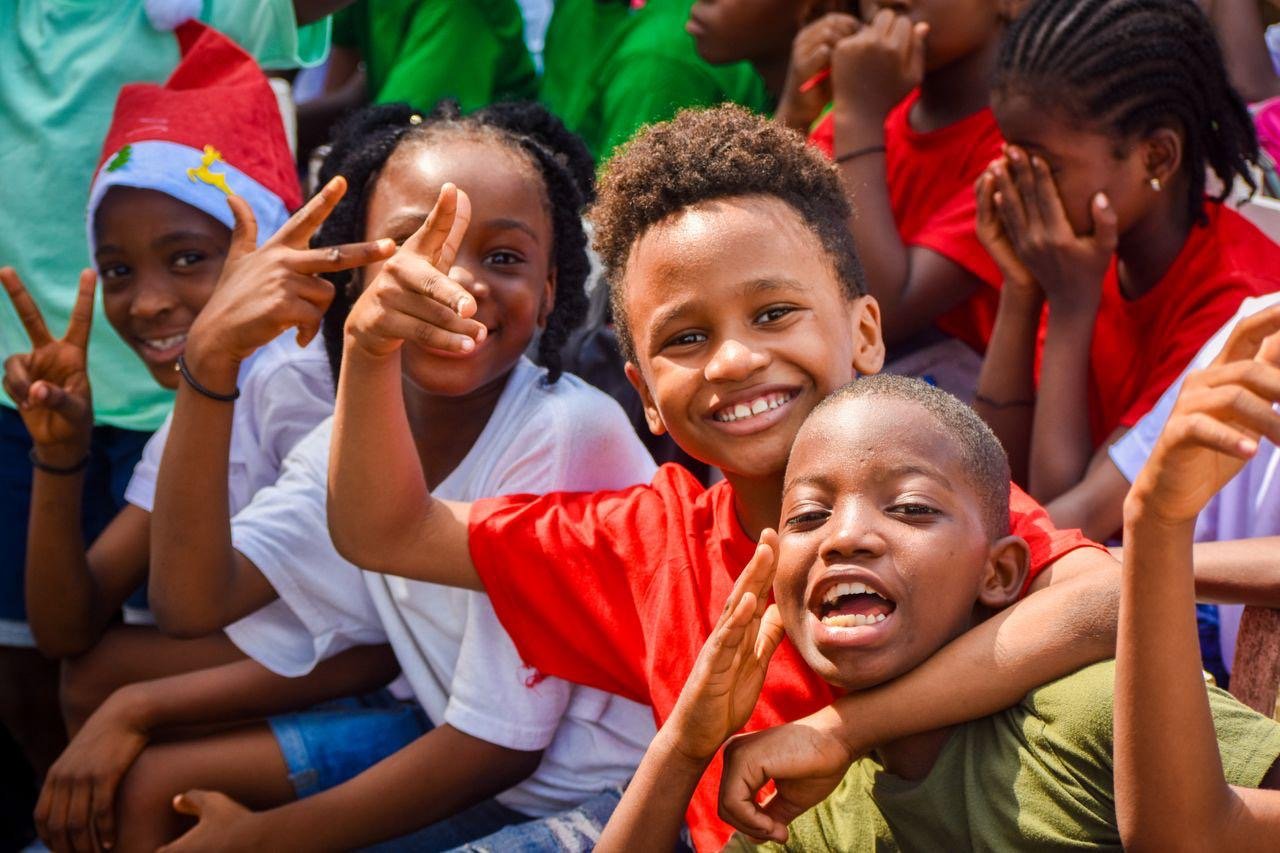
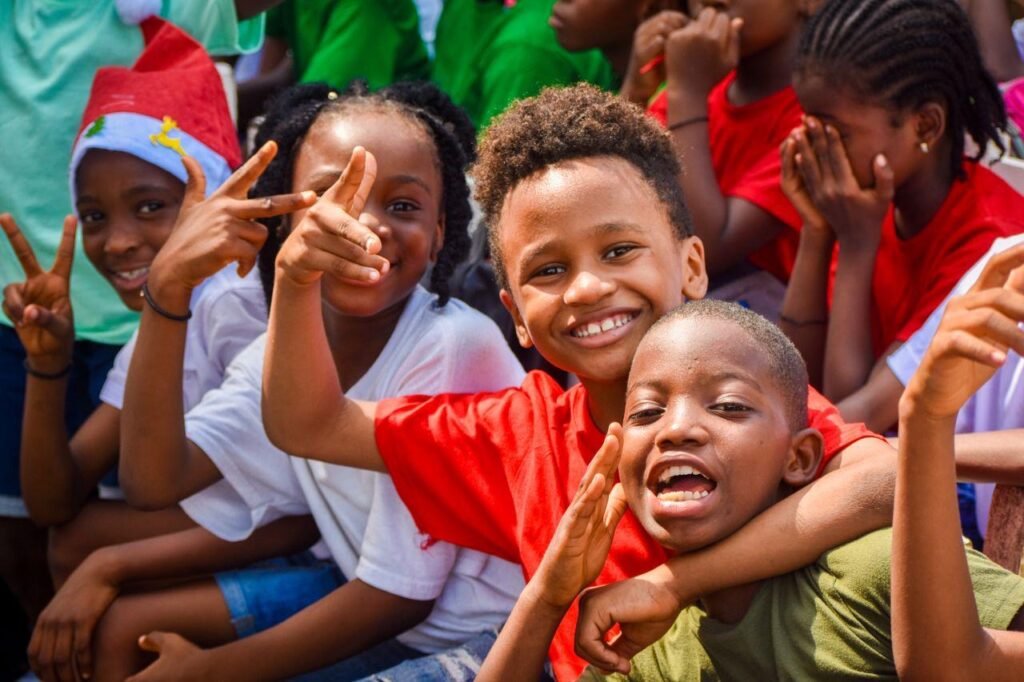
Different hands, same dreams.
Children may communicate differently, but their hopes are often very similar.
They want to learn.
They want friends.
They want opportunities.
They want to feel included.
They want to be understood.
A difference in communication should never mean fewer opportunities.
Teaching children about sign language can also help build patience, empathy and respect for people whose experiences may be different from their own.
Learn. Respect. Include. Empower.
The International Day of Sign Languages is also a chance to introduce four simple ideas.
Learn
Learn about sign languages, deaf culture and different ways people communicate.
Respect
Respect people who communicate differently and avoid making assumptions about their abilities.
Include
Think about whether classrooms, activities and communities are accessible to everyone.
Empower
Give people the tools and opportunities they need to communicate confidently and independently.
Small changes in awareness can make a meaningful difference
Activities schools can organize
Schools do not need complicated programmes to take part.
Simple activities can start important conversations.
1. Sign Language Awareness Session
Teach students a few basic signs and introduce them to the importance of sign language and deaf culture.
The goal is not to become fluent in one session. It is to create awareness and curiosity.
2. Inclusive Education Discussion
Teachers can ask students simple questions such as:
– What makes a classroom inclusive?
– How would you feel if you could not understand your teacher?
– What can schools do to make communication easier?
– Why is accessibility important?
These discussions help students think about inclusion in everyday situations.
3. Poster and Art Competition
Students can create posters around themes such as:
– Different Hands, Same Dreams
– Communication for Everyone
– Sign Languages Open Hearts and Minds
– Education Without Barriers
Art can make the topic easier for younger students to understand and remember.
4. Short Film or Story Sharing
Schools can share suitable stories, interviews or short films featuring deaf individuals and their experiences.
Real stories can help students understand how communication barriers affect everyday life.
5. Community Outreach
Schools can work with parents, local organisations and community groups to raise awareness about sign language and inclusive communication.
The conversation does not have to end inside the classroom.
Communication builds brighter futures
Accessible communication gives people the chance to participate fully.
When students can communicate, they can ask questions.
When they can ask questions, they can learn.
When they can participate, they can build confidence, relationships and independence.
That is why accessibility should not be treated as an extra part of education. It should be part of education itself.
A more inclusive world starts with communication.

The International Day of Sign Languages reminds us that people do not all communicate in the same way.
And they should not have to.
What matters is that everyone has the opportunity to understand, express themselves and take part.
By learning about sign languages and creating more accessible environments, schools and communities can help ensure that fewer people are left outside the conversation.
Different hands. Same dreams. Equal opportunities.
Equal Education Initiative
Education for All.
Together, we can build a world where communication has no barriers.