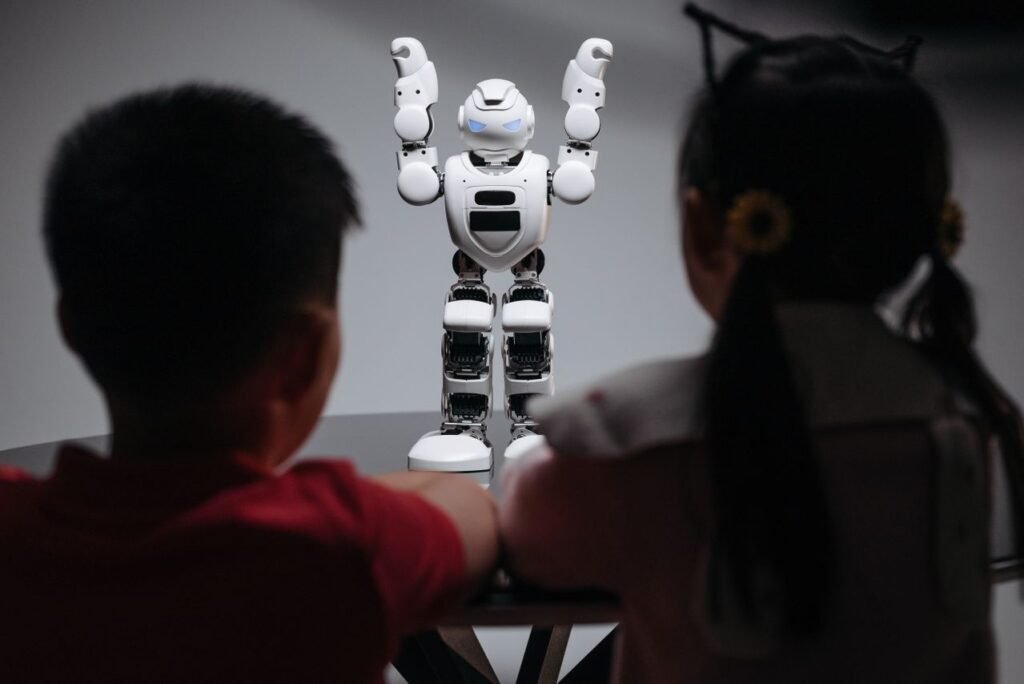


A child can now ask an AI tool to explain a maths problem, translate a sentence or write an answer to a homework question. It responds in seconds. If the explanation is confusing, the child can ask again.
A few years ago, it would have sounded strange to ask whether children might one day learn without teachers. Now it sounds like a question worth taking seriously.
The answer depends on what we believe a teacher is for.
Getting an answer is one part of learning. Working out why it is right, noticing when it is wrong and finding the courage to try again are other parts. A child can submit a perfect paragraph without understanding a word of it. They can also give an imperfect answer that shows they have begun to think for themselves. A teacher can see the difference.
The world children bring into the classroom
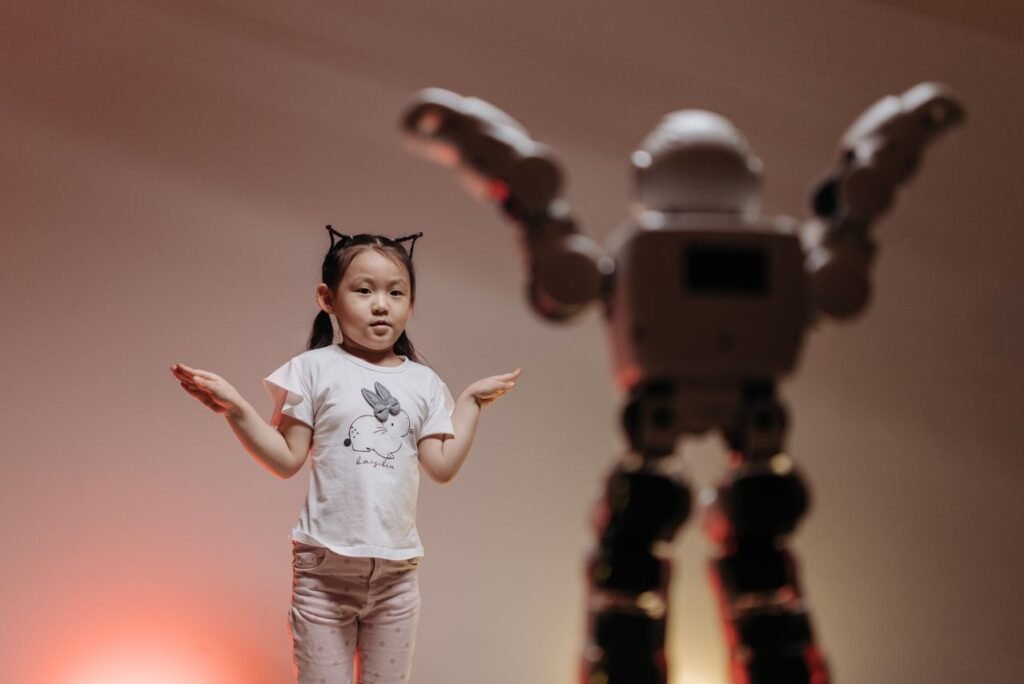
Children do not leave the rest of their lives at the school gate. A young child may repeat a phrase picked up from an online video without knowing what it means. An older student may find it hard to stay with one page when their free time is filled with clips that move on every few seconds.
It is tempting to say that children today have no patience. That would be unfair. Adults created much of the digital world asking for their attention. Children are growing up inside it.
Teachers have to work with that reality. They may need to help a child slow down, listen to a classmate or stay with a problem that cannot be solved immediately. They may need to ask what an online phrase means, whether a video is telling the truth, or why a convincing answer from AI should still be checked.
These are not distractions from education. They are becoming part of education.
There is value, too, in giving children time when nothing is happening on a screen. A child who is briefly bored might begin a conversation, make up a game or return to a difficult question. Not every quiet moment needs to be filled. Learning sometimes asks us to remain with something long enough to understand it.
Where AI helps, and where a person matters
There are good reasons for teachers to explore AI. It might help them prepare materials, offer a different explanation or give a student more practice. A child who is embarrassed to ask the same question twice may find it useful to practise privately before trying again in class.
We should make room for those possibilities. Schools have changed before, and they will change again.
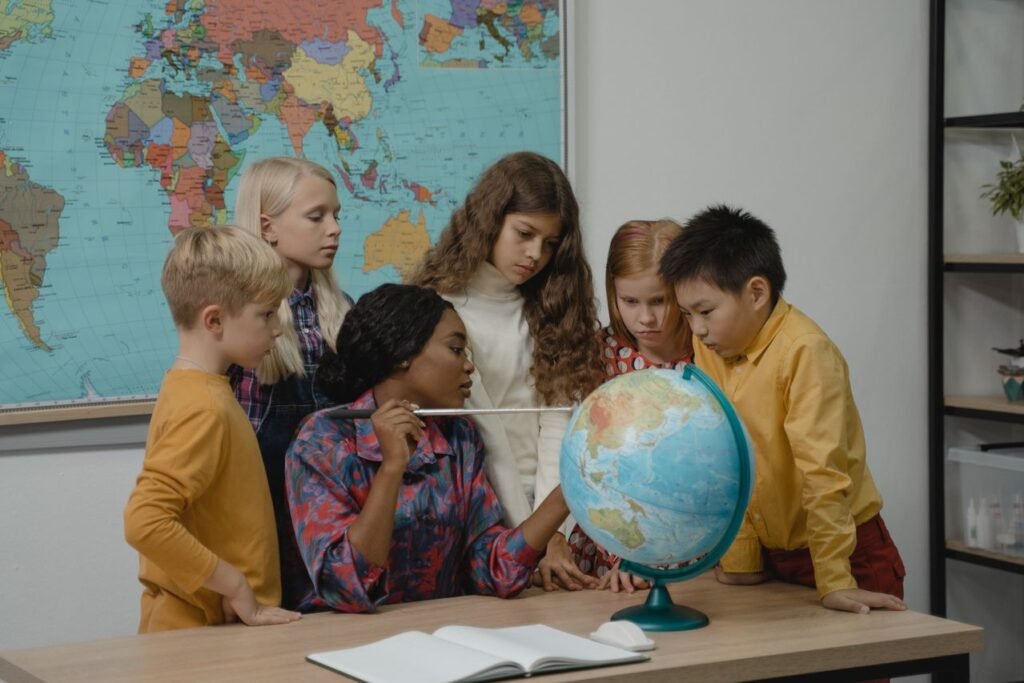
But a teacher does more than respond to questions. They notice the child who used to participate and has gone quiet. They can tell when a student needs a clearer explanation and when they simply need someone to believe they can manage the work. Over time, they learn what helps a particular child grow.
That relationship cannot be measured by how quickly an answer appears. It matters especially for children who have too often been overlooked.
Concerns about children’s digital lives are being taken seriously beyond the classroom. Australia now requires major social-media platforms to prevent children under 16 from holding accounts. Norway has proposed an age limit of its own. Such measures may create useful boundaries, but they cannot teach a child how to judge what they see, manage their time or speak to someone when something online troubles them. That work is shared by families, teachers and communities.
It would also be a mistake to use new technology as an excuse to offer children less human support. Not every child has the same access to a device, reliable internet or a quiet place to study. An education that depends entirely on those things could leave some children further behind.
Equal Education Initiative was founded on the belief that a child’s circumstances should not decide their future. Education, practical skills, mentorship and care belong together because children need more than access to information. They need opportunities to develop what they know, people who take their progress seriously and encouragement to keep going when learning becomes difficult.
On World Teachers’ Day, we should thank teachers. We should also listen to what their changing work requires: time to learn new tools, support from families and schools, and the trust to teach children rather than merely keep them busy.
AI will become more capable. Children will grow up asking it questions we once asked a teacher. We can help them use it well.
And when an answer is wrong, when a task feels impossible, or when a child begins to believe they are not clever enough to learn, someone still needs to notice.
That is why teachers matter.